Should Your Plumbing Shop Add Trenchless Sewer Repair?
Trenchless sewer repair is a higher-ticket, higher-margin service, but the equipment, training, and certification cost real money upfront. Here's how to tell if your shop is ready.
A plumbing shop is generally ready to add trenchless sewer repair when it already gets a steady flow of full sewer replacement calls, has a technician willing to get certified in camera inspection and lining, and can absorb the upfront equipment cost without straining cash flow on jobs that are still slower to book.
That’s the short answer. The longer answer is about which piece of that is usually missing.
What trenchless work actually is
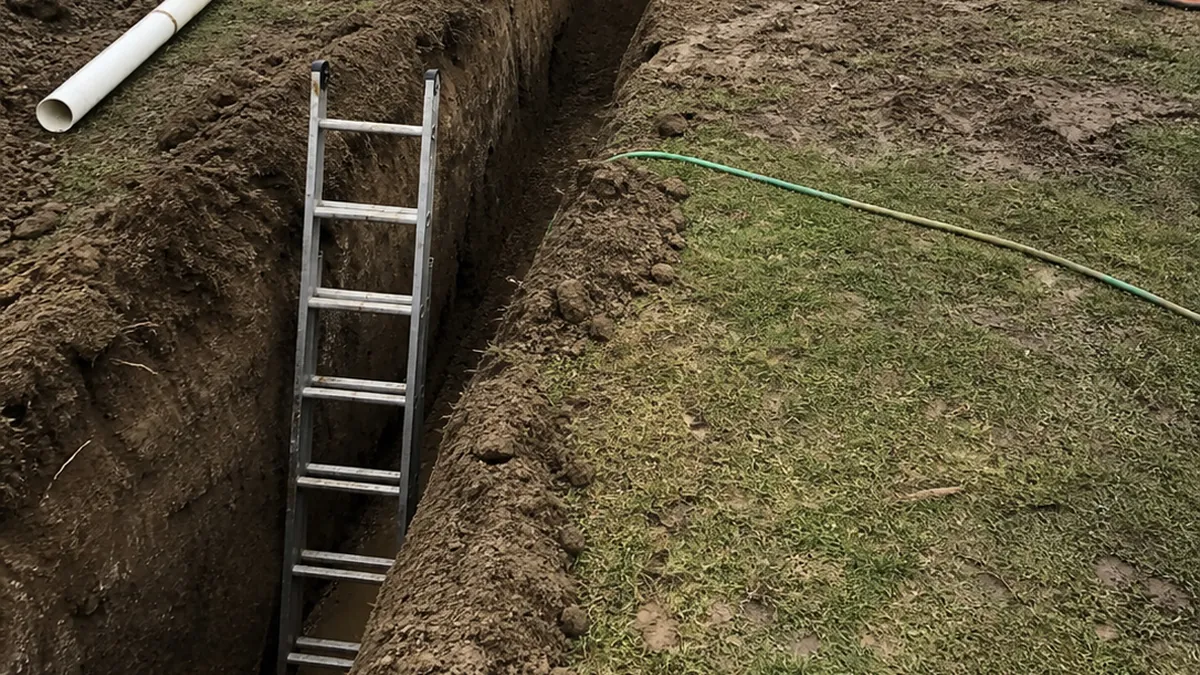
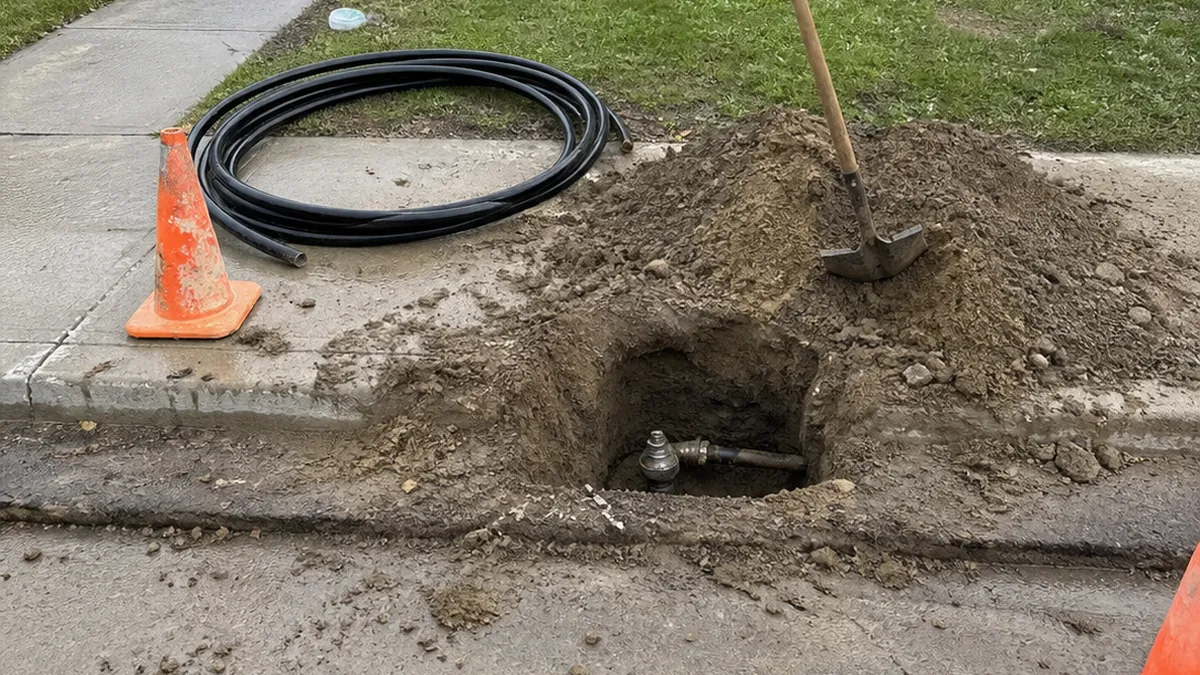
Trenchless sewer repair covers methods like cured-in-place pipe (CIPP) lining and pipe bursting, which fix a damaged sewer line from the inside without digging up the yard or the driveway. For the customer, it’s less disruption and a faster job. For the shop, it’s a higher-ticket service that competes on capability, not just price, since not every plumber in the area can offer it.
The industry’s standard-setting body for this work is NASSCO, the National Association of Sewer Service Companies, a nonprofit that runs the certification programs most municipalities and larger customers actually look for: PACP for pipeline inspection and coding, and the ITCP program that covers CIPP and manhole rehabilitation installation. A tech showing up with a NASSCO credential is a real signal to a commercial customer or a property manager comparing bids, in the same way a home inspector’s NACHI credential signals something to a homebuyer.
Why shops hesitate
The barrier isn’t the idea, it’s the upfront cost stacked on top of each other:
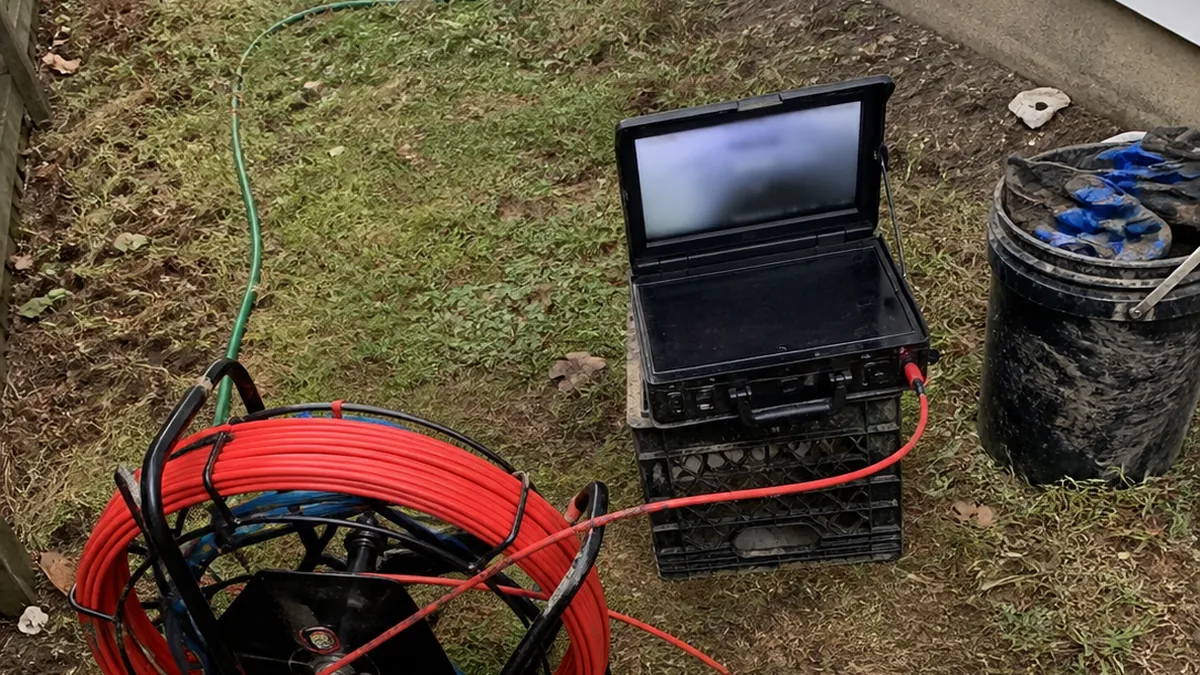
- Equipment. A sewer inspection camera and a lining or bursting rig are a real capital expense, and they sit unused on the slow weeks the same way a second truck does.
- Certification time. NASSCO’s programs take real training hours, and a tech in a classroom isn’t a tech on a truck that week.
- Learning curve on pricing. Trenchless jobs are quoted differently than a dig-and-replace, and a shop’s first few bids are usually the ones that teach the pricing lesson, not the ones that set the margin.
None of that is a reason to skip it. It’s a reason to time it to actual demand instead of doing it because a competitor added it first.
3 signs your shop is ready
1. You’re already quoting full sewer replacements regularly
If dig-and-replace sewer jobs are a recurring line on your schedule, not a rare call, that’s the demand trenchless work would capture at a better margin and with less disruption sold to the customer.
2. You have a technician who wants the certification
Trenchless work rewards a tech who’s genuinely interested in the camera and lining side of the trade, not whoever’s available that week. The same hiring math that applies to a second truck applies here: certifying an existing plumber is usually faster and cheaper than hiring someone new who already has it.
3. You can absorb the equipment cost without starving the rest of the shop
Price out the camera and lining equipment against your actual cash reserve, the same way you would before adding a second truck. If buying in means skipping maintenance on the trucks you already run, it’s not the right week to buy in.
What it changes about the calls you get
Trenchless work brings a different caller than a standard service call: often a property manager or a homeowner who’s already gotten one dig-and-replace quote and is calling around to see if there’s a less invasive option. They’re comparing capability as much as price, and the shop that picks up and can answer confidently wins that comparison, the same way it wins any other call. Being able to say “yes, we do that” on the first ring is worth more for a specialty service than it is for a routine one, since fewer shops in your area can say yes at all.
The takeaway
Trenchless sewer repair is a real growth lever for a shop that already has the sewer-replacement demand to justify it, not a way to manufacture demand that isn’t there yet. Get the certification and the equipment once the jobs are already showing up, and it pays for itself faster than trying to build the demand around gear you already bought.
Curious how a service like this fits into how you handle new-capability calls? See a 10-minute demo.