The High Water Bill Call: What to Ask Before You Roll the Truck
A homeowner says the water bill jumped and they see no water anywhere. A few phone questions sort a running toilet from irrigation, a slab leak, or a billing problem before you send a truck.
TL;DR: A water meter that changes during a two-hour period with no water use points to a likely leak. If the meter does not move, no fixture runs, and the utility estimated the reading or changed its rate, have the homeowner call the water utility before you send a truck.
A high water bill is often discovered after your phone is off
EPA’s WaterSense program says the average household’s leaks can waste more than 9,300 gallons of water every year. Nine percent of homes have leaks wasting 50 gallons or more per day.
These calls usually arrive right after the homeowner opens the bill. That means evenings and weekends, when your shop’s phone is often off. The caller is rarely panicked. They sound annoyed and a little embarrassed. The usual line is some version of, “I don’t see water anywhere.”
That calm tone makes the call easy to treat as low priority. It is also how the caller ends up in voicemail, then calls another plumber or the utility.
The first question is simple: how much did the bill increase, and did it happen over one billing period or several? Ask what the utility’s bill says about the meter reading. Was the reading estimated? Was there a rate change?
Those answers may tell you this is not a plumbing visit yet. If the meter does not move with everything off, no fixture is running, and the utility estimated the reading or changed its rate, the homeowner may need to call the water utility first. Saying that plainly builds trust.
The two-hour meter check can sort the call before dispatch
Ask whether the homeowner can avoid using water for two hours. That means no faucets, toilets, washing machine, dishwasher, irrigation, or other water use during the test.
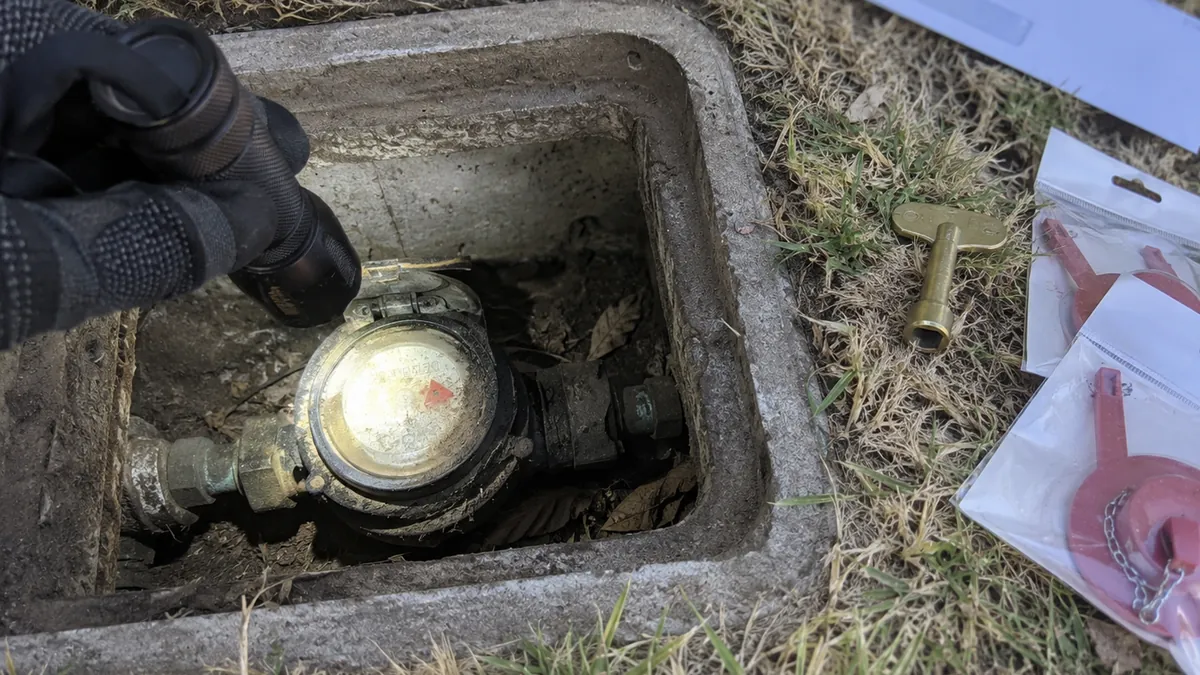
They should check the water meter before the two-hour period and again afterward. If the meter changes at all, there is probably a leak. If it does not change, and nothing is running, the utility should be part of the next conversation.
This is the kind of question covered in what to ask on every plumbing call before you roll the truck. It costs the homeowner nothing, gives you useful information, and may keep you from sending a technician to chase a billing problem.
Do not make the homeowner wait two hours before booking if there are other signs of an active leak. Ask what they hear and see now. A sound of running water with everything off changes the call.
A toilet can waste water without leaving a puddle
The most common household leaks are worn toilet flappers, dripping faucets, and other leaking valves, according to EPA’s WaterSense program. A toilet that runs, hisses, or refills on its own at night belongs near the top of your questions.
Offer the food-coloring test. The homeowner puts a few drops of food coloring in the toilet tank and waits 10 minutes. If color appears in the bowl, the toilet is leaking.
Ask how many toilets are in the house and whether the sound is coming from one of them. A homeowner may not hear a toilet from another room during the day. A refill that happens after everyone goes to bed is easy to miss.
If the answers point to a toilet, the visit may be quick. Tell the technician to consider flappers, fill valves, and dye tablets before leaving the shop. For EPA leak information that you can use when explaining the call, see Fix a Leak Week and whether your phone is ready.
Irrigation and outdoor leaks need their own questions
Ask whether the property has an irrigation system, a pool, or outdoor hose bibs. Ask whether any spigot drips or whether the irrigation system has been checked recently.
EPA’s WaterSense program says a leak about 1/32 of an inch in diameter, about the thickness of a dime, can waste about 6,300 gallons of water per month. EPA also says in-ground irrigation should be checked seasonally. Hose connections at spigots often leak.
The homeowner may see no water inside because the water is being lost outside.
Warm floors and constant water-heater operation change the appointment
Ask about warm spots on the floor. Ask whether the homeowner hears water running with everything off. Ask whether the water heater runs constantly.
Those details can point toward a slab leak or a hot-side leak. Use the intake notes to decide whether the technician needs leak detection gear and whether the homeowner should be booked for a leak-detection appointment.
If the caller reports warm flooring or a water heater that never seems to stop, send them to the slab leak call questions while you gather the rest of the information. Do not label every high bill a slab leak.
The answers decide what goes on the truck
A good call summary should state the bill change, the timing, and the test results. “Bill doubled, no visible water, toilet refills on its own at night” is useful. “High water bill” is not.
Decide whether to load flappers, fill valves, dye tablets, or leak detection gear.
Price questions will come up. The homeowner may ask for a number before booking. Use how to answer “How much will it cost?” on the phone instead of guessing at a repair price before you know what the call is.
Bella keeps the quiet high-bill call from disappearing
Bella answers your shop’s existing business number 24/7. She asks the intake questions, books the job on your calendar, and sends you a call summary by text or email.
That means the evening caller gets the meter and dye-test questions instead of voicemail. The job lands on the schedule. You read the note before deciding which parts and tools to load.
An emergency with water actively coming through gets flagged with an instant alert. A calm high-bill call gets booked, not ignored. That is the difference between handling the call and losing it, which is also the problem addressed in how to stop losing after-hours plumbing calls.
Starter is $95 per month for one call at a time. Growth is $295 per month for three calls at a time, two-way texting, and appointment reminders. Pro is $495 per month for unlimited simultaneous calls and custom call scripts. Pro’s custom scripts let you add your own high-bill questions.
Change your intake today. Then call Bella yourself on the demo line at (669) 284-5564. The main line is (707) 620-5284.